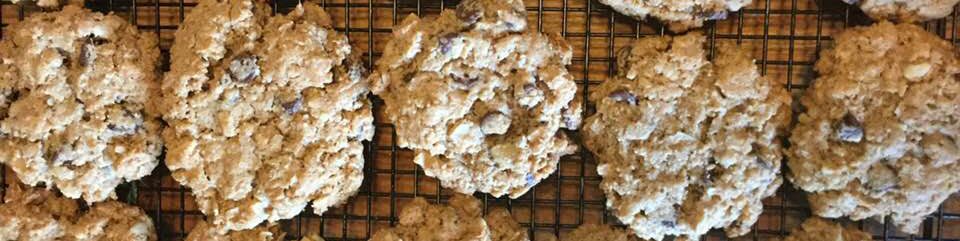
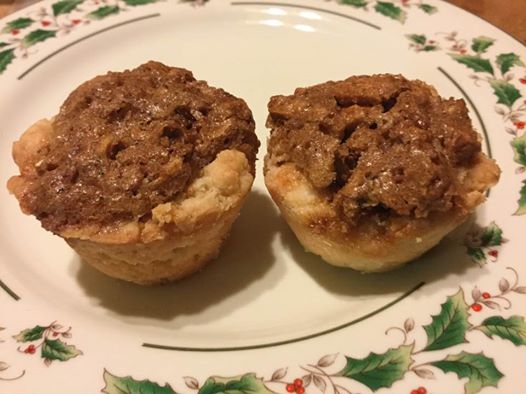
Full winter is upon us. Pies are being baked for desserts, cake is often on the menu and cookie season is pretty much always here. I have had emergency texts about gf flour choices and substitutions in creating something gf when the baker is not gf and is more than a little confused. So, I am reposting this flour treatise from last year, in the hopes that folks will read it and use this information to have the best possible results. GF baking is much more technical than wheat flour-based recipes. Substituting is trickier especially flour subbing, partially because of all the new 1 to 1 blends, baking mixes and other innovations. So, before you make those gf cookies for a gf friend, read up on the differences, so you use the right flour. The wrong one will give you a poor result; so important to know what you are doing flour wise.
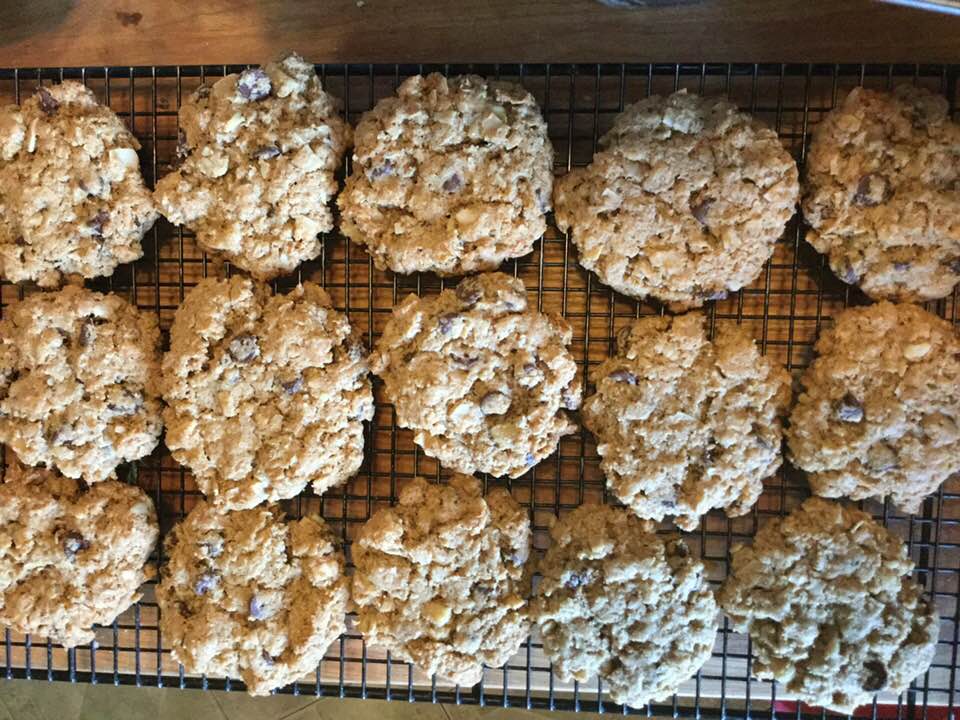
So, I am writing this post for a friend who bakes gf cookies for someone in her family. I want to go over the flour issue again, particularly for someone new to cooking gf meals. It is slightly tricky, so I am going to try to make it clear for everyone: there are a lot of issues and different scenarios so be sure to read the whole article. So, here are my best thoughts and advice on using gf flours for gravy, and especially for baking.
There are individual gf flours like rice flour, buckwheat flour, oat flour, tapioca flour, sweet rice flour, potato starch, cornstarch, sorghum flour, brown rice flour, etc.! A bewildering array of choices as almost any grain can be ground into a flour. Flour can then be processed to create a starch, which tends to be nearly flavorless but often has a big purpose in gf baking. I rarely use just one flour in a baking recipe. Why? Because a single flour is often missing an important characteristic of what we want in a baking result. A mixture has different kinds of flours to replicate all purpose flour (wheat based) or whole grain flour (also wheat based). Without the gluten there are a number of ways to make it a useful blend for cooking or baking. That said, I use single flour blends in sauces. Just for sauces people!
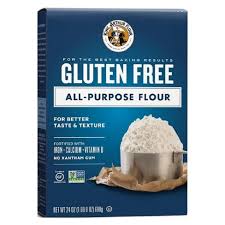
I usually use blends for baking, 2-6 flours that are blended and work together to mimic wheat-based flour in different applications like bread, cake, cobbler, cookies, pastry or pasta dough. I have a number of them, but my favorite is one you can buy in most stores. King Arthur’s Basic GF Blend; made of a proportional blend of brown rice flour, potato starch and tapioca starch. I use it for over 90% of my baking and cooking needs. There are a number of blends available from companies like Bob’s Red Mill or Jeanes. One of my favorites is Better Batter; never see it in the store but it can be found online. There are many, many blends provided in gf cookbooks. It can cause a traffic jam of jars/cans/zip lock bags of blends labeled and stored in your freezer or fridge. Some of these blends have a gum like xanthan gum included. The gum helps your finished bread/cookie/cake hold together – in wheat based recipes it is the gluten that is the “glue” that holds things together. My blend doesn’t have it so I add it based upon my recipe. Xanthan or guar gum are commonly used. Doesn’t take much xanthan gum; ½-1 tsp is often enough in any recipe. FYI: Better Batter has the gum in it. You should always check on this gum issue; if none in the flour mix you will need to add some; often about 1/2 teaspoon per cup of flour. This amount of gum does vary due to what you are making. Look at a similar gf recipe and add as much gum as that recipe does. There also is psyllium gum but it is mainly used in breads and rolls. Not so much for cookies and cakes.
Next; If your recipe is a recipe not formatted for gluten free baking, you must use a special blend meant for that circumstance. They are called measure for measure, or one-for-one blends. They were not around a decade ago; fairly new. They are carefully calibrated to sub in for all-purpose flour. They may not work as a substitute for whole wheat or rye flour, and yeast baking is not where this flour is meant to be used, it is great for your all purpose flour cookie or cake recipes.

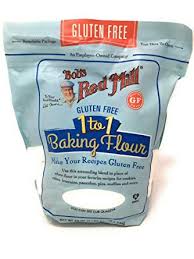
As I wrote above, measure for measure flour is fairly new and very useful. They are for when you want to make a normally gluten-based recipe but use a gf flour. FYI: most gf recipes have been altered from their original recipe or were created just for gf flour. If you want to make those cookies, you can’t enjoy anymore and sub in gf flour these new measure for measure blends is perfect to do that. You generally don’t need to alter your recipe or add gum. The flour blend is made to mimic regular all-purpose flour. It is not interchangeable with things like the Basic GF Blend from King Arthur that I mention above. Don’t use measure for measure in a gf calibrated recipe, use it to make stuff from your old wheat flour-based recipes. [Yes, I am repeating myself but I am finding that people are doing exactly what I caution not to do so repeating myself!] King Arthur or Bob’s Red Mill or a few other companies have a measure for measure blend so get that if you want to take your gluten-based recipe and change it to gf. I must caution you that these flours don’t work well if you are replacing flour in a yeast bread recipe. Works for quick breads, cookies, muffins, and many cakes but I wouldn’t make my old fav Italian bread recipe with these measure for measure as the result is unlikely to be similar to the recipe as made with wheat-based flour. Besides, I have an awesome gf Italian bread recipe my family clamors for!
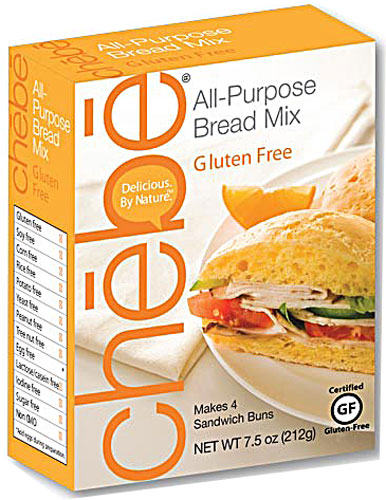
One more thing, many companies now have gf baking mixes that can be used to make muffins, cookies, cakes, pancakes, etc. They are different from the blends described above. Do not substitute those blends for a basic blend like the one I use. These blends already have gum, baking powder, salt, etc. added to the flour. They are very convenient and there are lots of recipes formulated for using them. There are bread flour mixes that can be used to create shaped pastries; I just bought 1 boxes of Chebe All Purpose Bread Mix. Can’t wait to test it in a pastry recipe I found recently. These gf baking mixes cannot be used in place of the gf flour specified in a recipe or to use like a 1 for 1 Substitution gf flour. they are very specific to recipes that require them or the recipes on the box or the manufacturer’s website.

To repeat; there are single flours, there are blends with or without gum added, there are measure for measure blends for use in the gluten-based recipes you want to recreate as gluten free dishes and there are baking mixes that can be used as a starting place for a quickly constructed baked good like a cake, cookie or muffin. I know, it seems complicated but read your recipe carefully, so you get the right kind of flour to make it successfully. The wrong flour will give you a poor result as gf baking is relatively unforgiving of big errors like that.
Oh, and there are read-made cake or brownie mixes just like you can buy with wheat-based flour; you add eggs, milk/water and oil to them to complete the mixture. The grocery store will likely have a number of choices for gf mixes to make brownies, cakes and other baked goods. Amazon has lots too! It’s where I got the Chebe flour mix.
None of these blends/mixes are interchangeable between other types of blends. Use the blend the gluten free recipe asks for. If it is an old all-purpose flour-based recipe use the measure for measure. Except, do not use that measure for measure for a yeasted bread; quite unlikely to work especially when you use over 1 1/4 cups of it in a recipe; the more the recipe is depending on the flour the less likely it will be successful.
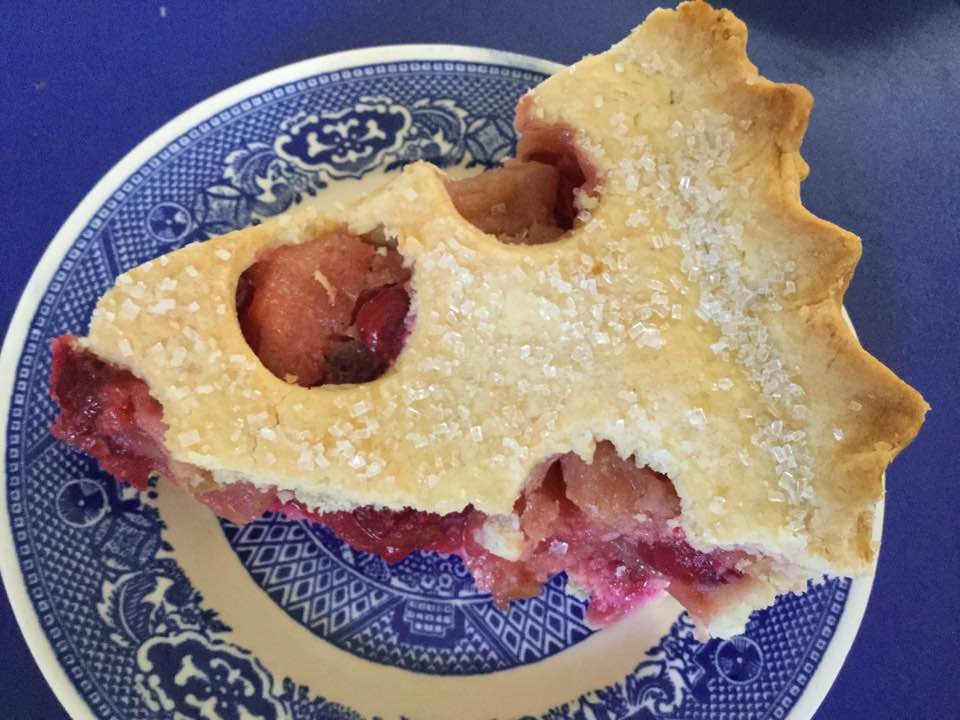
My recipes generally tell you which flour blend I used. You cannot sub in measure for measure for a basic blend. Nor can you use a baking mix for anything, but a recipe meant specifically for a baking mix. Get the right flour as specified and you will have a great start towards a delicious result. I hope I have educated you on this issue so you can be successful if you need to bake gf this holiday season. Have fun baking!

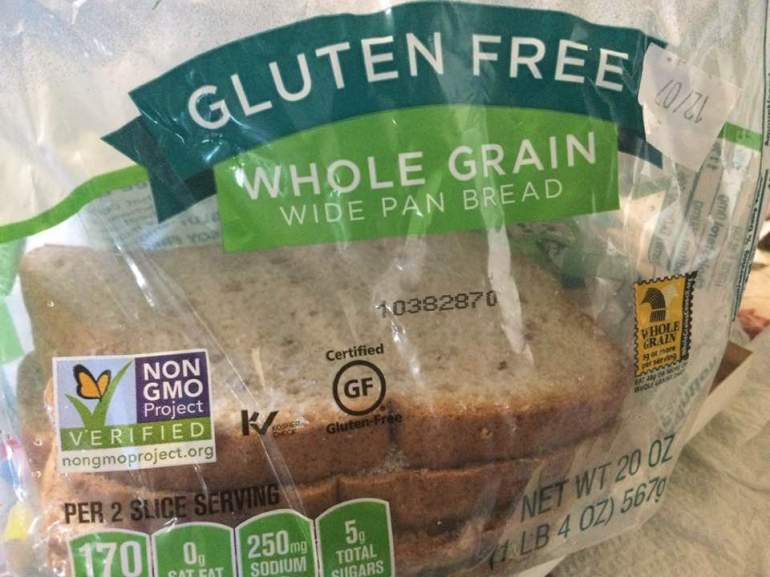

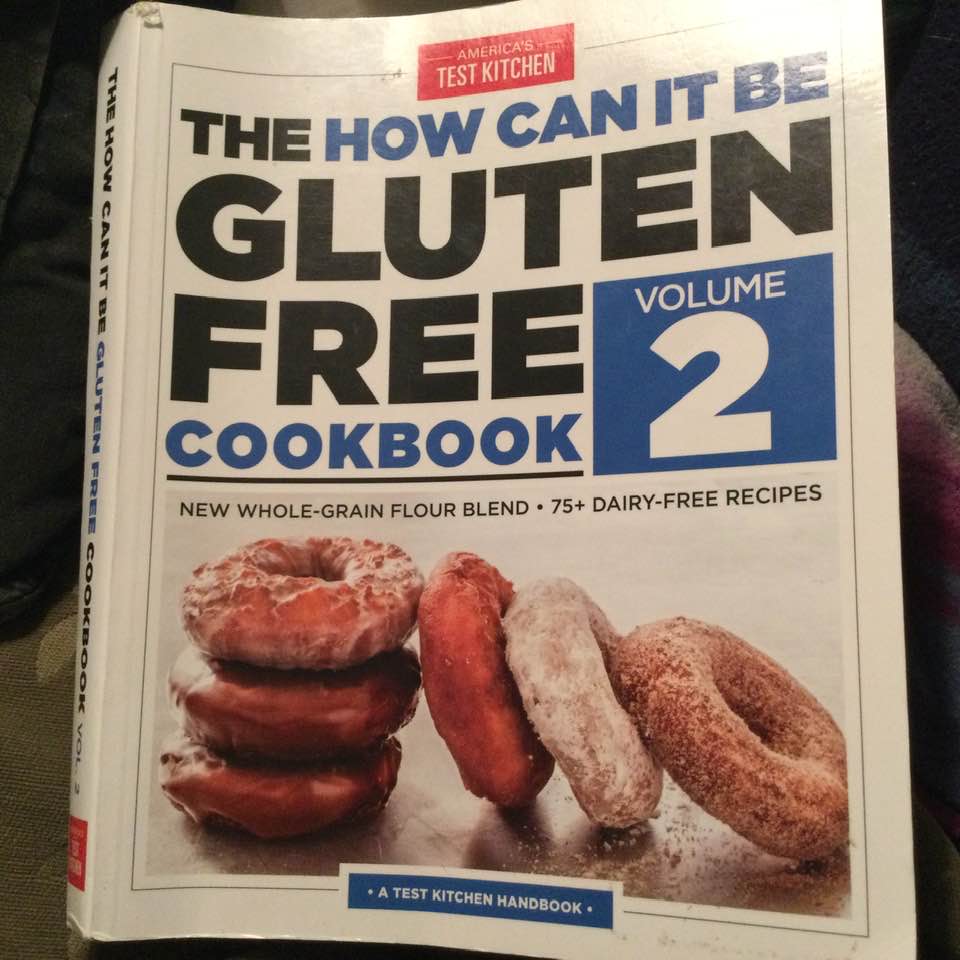


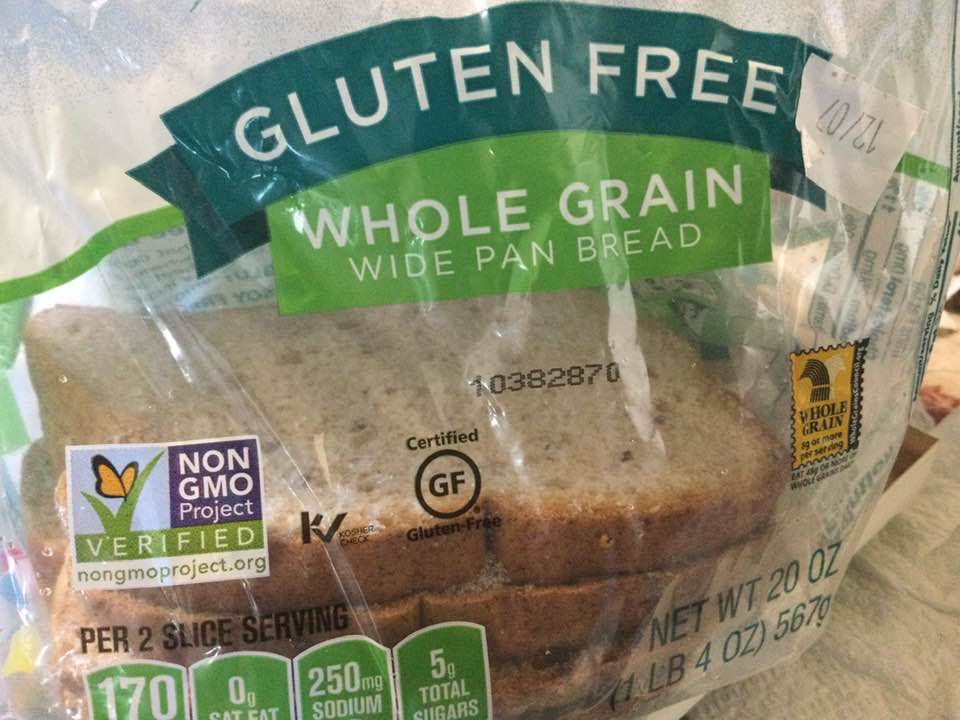
 Before I scooped any I did read the package label. It does have the same 3 flours as my fav blend but there are some additional ingredients; xanthan gum, baking powder, baking soda, salt and a few other things. She gave me the baking mix. A different beast indeed.
 From now on I may make that suggestion at the bottom of my posts so you can use the King Arthur ready made baking blend if you want or have to.
 My World Without Wheat