Demystifying GF Flours for Holiday Baking Fun

Mid-December is upon us. Pies are being baked for desserts, fancy cake is on the menu and cookie season is pretty much here. I have already had emergency calls about gf flour choices and substitutions in creating something gf when the baker is not gf and is more than a little confused. So, I am reposting this flour treatise from last year, in the hopes that folks will read it and use this information to have the best possible results. GF baking is more technical than wheat flour-based recipes. Substituting is trickier especially flour subbing. So, before you make those gf cookies for a family member, read up on the differences, so you use the right flour. The wrong one will give you a poor result; so important to know what you are doing flour wise.
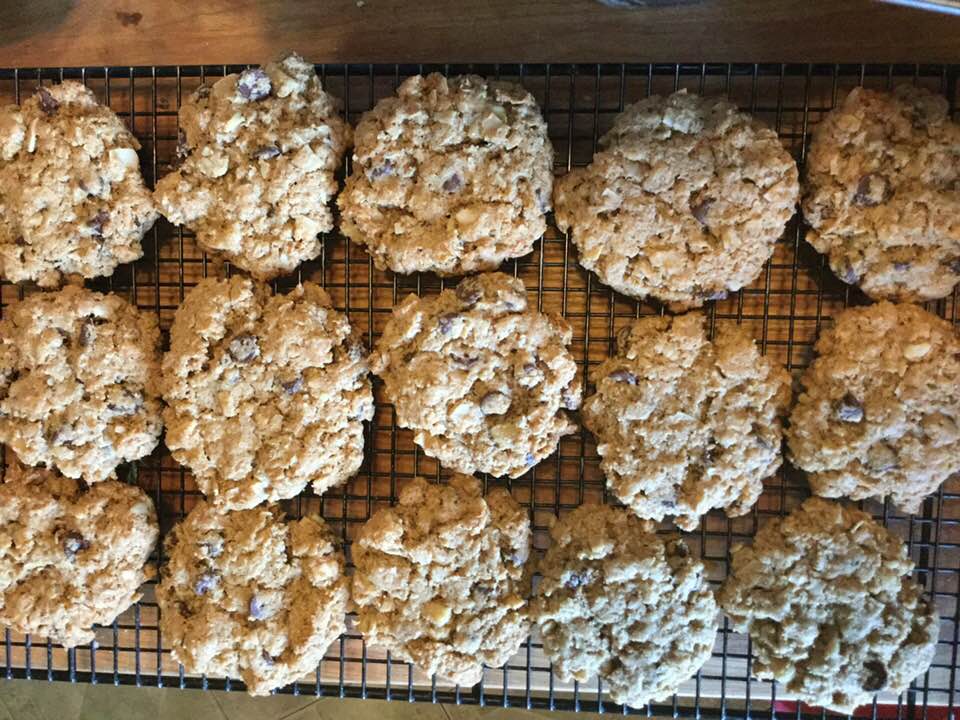
So, I am writing this post for a friend who wants to cook gf cookies for someone in her family for the holidays. I want to go over the flour issue particularly for someone new to cooking gf meals. It is slightly tricky, so I am going to try to make it clear for everyone: there are a lot of issues and different scenarios so be sure to read the whole article. So, here are my best thoughts and advice on using gf flours for gravy, and especially for baking.
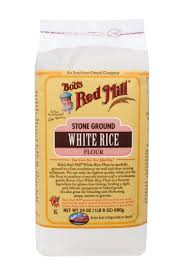
You could use this rice flour for gravy making.

There are individual gf flours like rice flour, buckwheat flour, oat flour, tapioca flour, sweet rice flour, potato starch, cornstarch, sorghum flour, brown rice flour, etc.! A bewildering array of choices as almost any grain can be ground into a flour. Flour can then be processed to create a starch, which tends to be nearly flavorless but often has a big purpose in gf baking. I rarely use just one flour in a baking recipe. Why? Because a single flour is often missing an important characteristic of what we want in a baking result. A mixture has different kinds of flours to replicate all purpose flour (wheat based) or whole grain flour (also wheat based). Without the gluten there are a number of ways to make it a useful blend for cooking or baking. That said, I use just single flour blends in sauces. Just for sauces people!
I usually use blends for baking, 2-6 flours that work together to mimic wheat-based flour in different applications like bread, cake, cobbler, cookies, pastry or pasta dough. I have a number of them, but my favorite is one you can buy in most stores.  King Arthur’s Basic GF Blend; made of a proportional blend of brown rice flour, potato starch and tapioca starch.  I use it for over 90% of my baking and cooking needs. There are a number of blends available from companies like Bob’s Red Mill or Jeanes. One of my favorites is Better Batter; never see it in the store but it can be found online. There are many, many blends provided in gf cookbooks.  It can cause a traffic jam of jars/cans/zip lock bags of blends labeled and stored in your freezer or fridge.  Some of these blends have a gum like xanthan gum included. The gum helps your finished bread/cookie/cake hold together – in wheat based recipes it is the gluten that is the “glue” that holds things together. My blend doesn’t have it so I add it based upon my recipe. Xanthan or guar gum are commonly used. Doesn’t take much xanthan gum; ½-1 tsp is often enough in any recipe. You should always check on this gum issue; if none in the flour mix you will need to add some; often about 1/2 teaspoon per cup of flour. This amount of gum does vary due to what you are making. Look at a similar gf recipe and add as much gum as that recipe does. There also is psyllium gum but it is mainly used in breads and rolls. Not so much for cookies and cakes.

If your recipe is a recipe not formatted for gluten free baking, you must use a special blend meant for that circumstance. They are called measure for measure, or one-for-one blends. They were not around a decade ago; fairly new. They are carefully calibrated to sub in for all-purpose flour. They may not work as a substitute for whole wheat or rye flour, yeast baking is not where this flour is meant to be used, great for your old all purpose flour cookie or cake recipes.

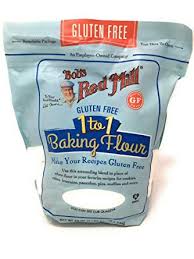
I have used this measure for measure blend and had good results. It is calibrated to be substitutable in any gluten flour-based recipe except I would not recommend it for yeasted breads.
Amazon.com : Bob's Red Mill Gluten Free 1-to-1 Baking Flour, 44-ounce :  Grocery & Gourmet Food
Bob’s Red Mill calls it 1 to 1 Baking Flour; same idea as measure for measure. Again, use this in your regular recipe instead of the all-purpose flour in the recipe. This is an excellent flour blend but is Not suggested for yeast breads.

As I wrote above, measure for measure flour is fairly new and very useful. They are for when you want to make a normally gluten-based recipe but use a gf flour. FYI: most gf recipes have been altered from their original recipe or were created just for gf flour. If you want to make those cookies, you can’t enjoy anymore and sub in gf flour these new measure for measure blends is perfect to do that. You generally don’t need to alter your recipe or add gum. The flour blend is made to mimic regular all-purpose flour. It is not interchangeable with things like the Basic GF Blend from King Arthur that I mention above. Don’t use measure for measure in a gf calibrated recipe, use it to make stuff from your old wheat flour-based recipes. King Arthur or Bob’s Red Mill or a few other companies have a measure for measure blend so get that if you want to take your gluten-based recipe and change it to gf. I must caution you that these flours don’t work well if you are replacing flour in a yeast bread recipe. Works for quick breads, cookies, muffins, and many cakes but I wouldn’t make my old fav Italian bread recipe with these measure for measure as the result is unlikely to be similar to the recipe as made with wheat-based flour. Besides, I have an awesome gf Italian bread recipe my family clamors for!

One more thing, many companies now have gf baking mixes that can be used to make muffins, cookies, cakes, pancakes, etc. They are different from the blends described above. Do not substitute those blends for a basic blend like the one I use. These blends already have gum, baking powder, salt, etc. added to the flour. They are very convenient and there are lots of recipes formulated for using them. There are bread flour mixes that can be used to create shaped pastries; I just bought 1 boxes of Chebe All Purpose Bread Mix. Can’t wait to test it in a pastry recipe I found recently.

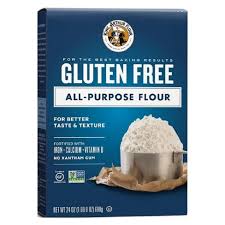
King Arthur Flour Baking Mix, All Purpose, Gluten Free | Flour & Meals |  Edwards Food Giant
I used an image for King Arthur baking mix as this is the only premade mix I have tried. It works great!

To repeat; there are single flours, there are blends with or without gum added, there are measure for measure blends for use in gluten-based recipes you want to recreate as a gf dish and there are baking mixes that can be used as a starting place for a quickly constructed baked good like a cake, cookie or muffin. I know, it seems complicated but read your recipe carefully, so you get the right kind of flour to make it successfully. The wrong flour will give you a poor result as gf baking is relatively unforgiving of big errors like that.

Oh, and there are read-made cake or brownie mixes just like you can buy with wheat-based flour; you add eggs, milk/water and oil to them to complete the mixture. The grocery store will likely have a number of choices for gf mixes to make brownies, cakes and other baked goods. Amazon has lots too! It’s where I got the Chebe flour mix.
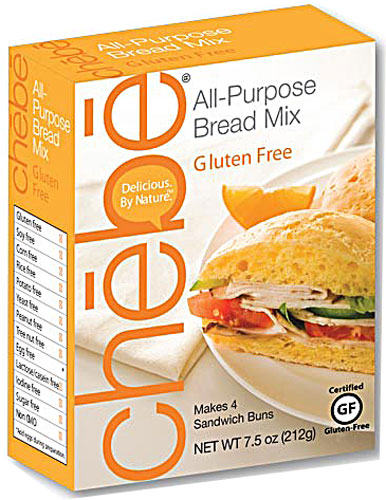
Here is that Chebe Bread mix I mentioned above.

None of these blends/mixes are interchangeable between other types of blends. Use the blend the gluten free recipe asks for. If it is an old all-purpose flour-based recipe use the measure for measure. Except, do not use that measure for measure for a yeasted bread; quite unlikely to work especially when you use over 1 1/4 cups of it in a recipe; the more the recipe is depending on the flour the less likely it will be successful.
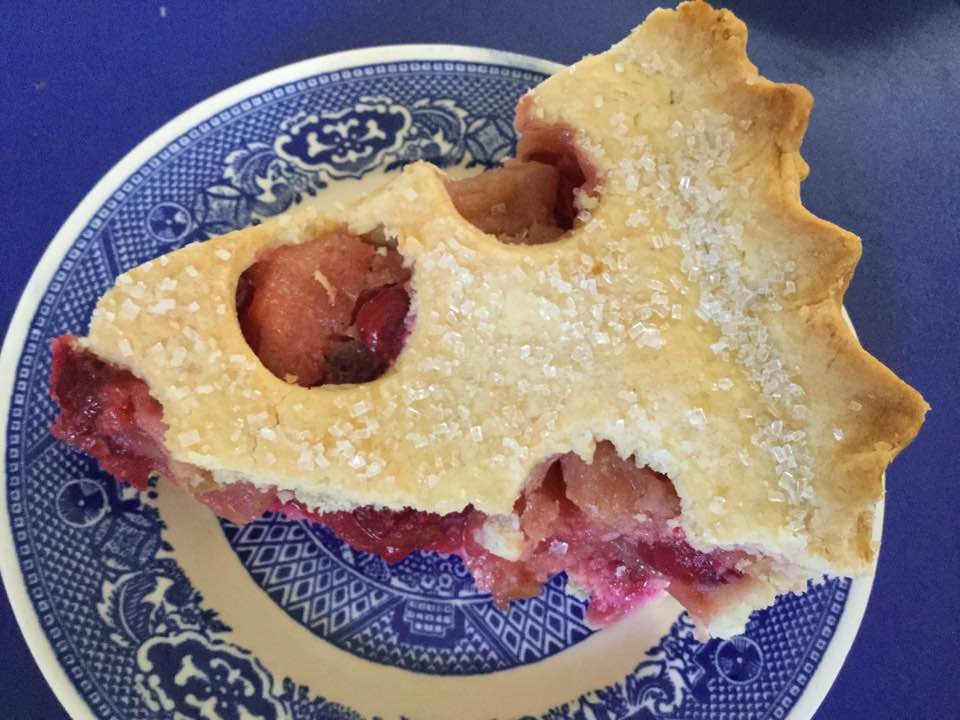
A pie made with King Arthur Basic GF flour blend for the crust.

My recipes generally tell you which flour blend I used. You cannot sub in measure for measure for a basic blend.  Nor can you use a baking mix for anything, but a recipe meant specifically for a baking mix. Get the right flour and you will have a great start towards a delicious result. I hope I have educated you on this issue so you can be successful if you need to bake gf this holiday season. Have fun baking!

PS: I was baking Christmas cookies last Sunday afternoon at a friend’s house; we used measure for measure mix for some recipes and King Arthur Basic GF Blend for some other recipes; it really depends on the recipe. We baked some delicious tender cookies that everyone will love whether they are eating gf always or just at this family’s gathering.

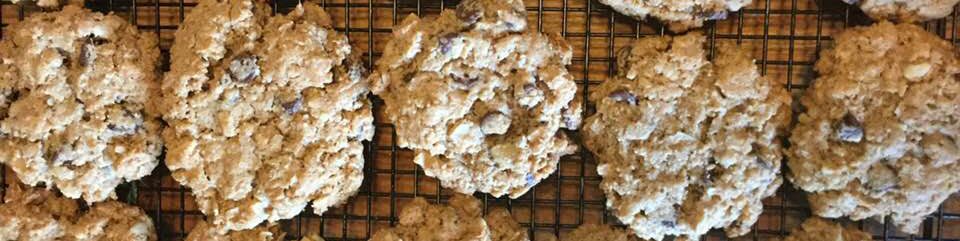
Sugar cookies made with a Measure for Measure flour blend in my old (pre-celiac) Betty Crocker cookie recipe.

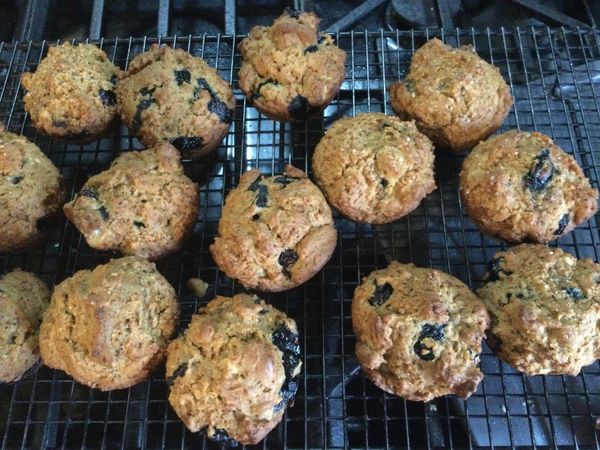
Blueberry Muffins: Delicious!

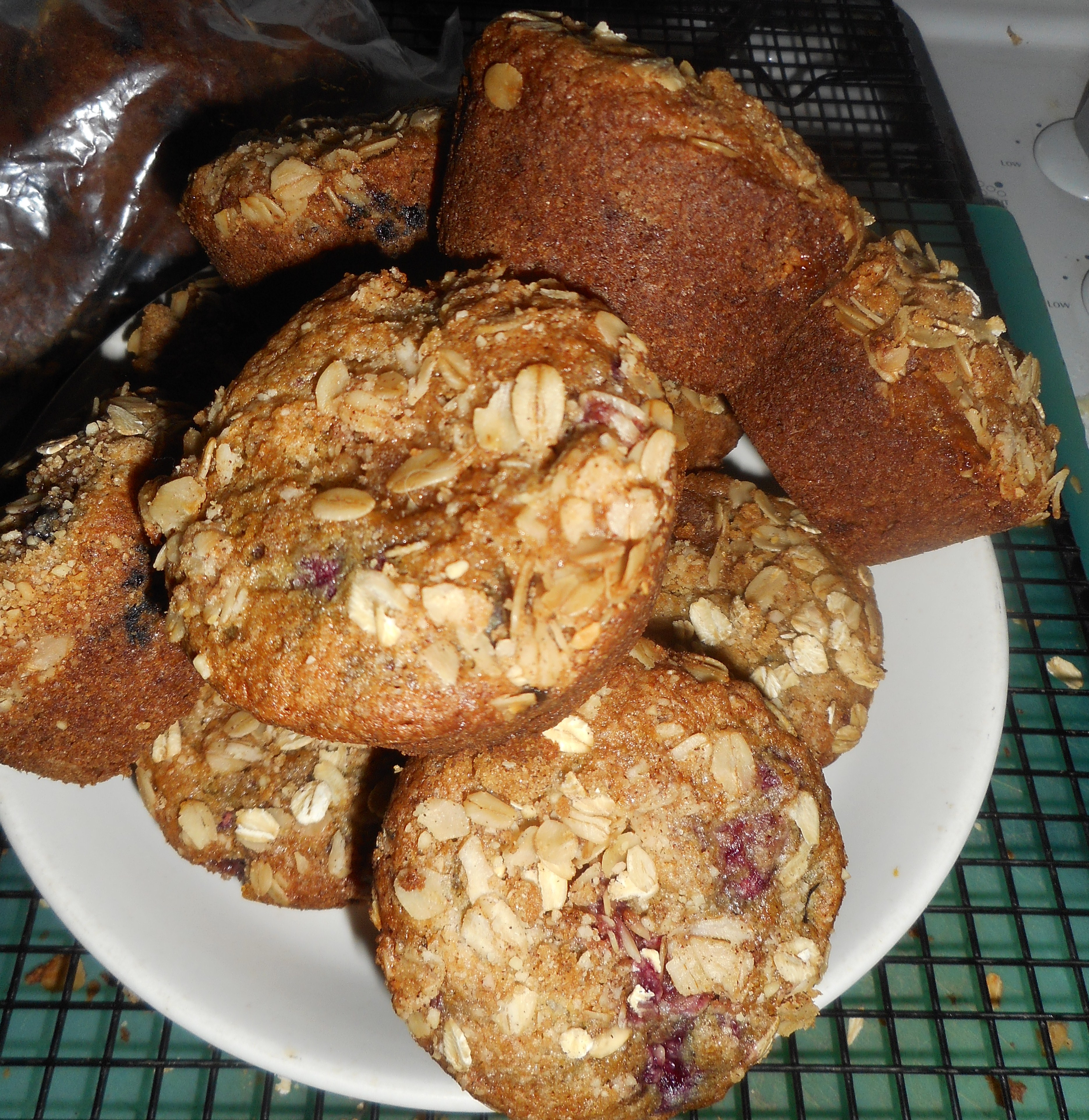
spagetti and raspberry muffins 001

Oh….the muffin saga continues. What shall I make for summer snack time?  Turning to my trusty muffin recipe I try a new version that somehow, I never seem to make: blueberry. Knowing I will get a similar texture to the cranberry blueberry I have made before, if I use the same easy to dump together recipe. So easy: I think I can almost do it in my sleep! That’s why these fruity muffins are often my go-to baked snack; they can be quickly thrown together, a dependably yummy and it is simple to vary the flavor depending on what fruit is available. I mention all this that so you can feel comfortable making your own version of them.  They are always tasty and far cheaper and healthier than GF muffins you can buy.

I used fresh blueberries but frozen from the freezer works great.

The streusel topping is optional; it ensures that they look gorgeous and adds an extra layer of flavor. I didn’t use it this time but include it as it is a great option.  There are walnuts in them to, so you get some really great nutrients from the fruit, oats and nuts.  Not much guilt in eating one of these treats! You can swap the white sugar for coconut palm sugar like I did; it barely raises my blood sugar.  I love how healthy these muffins are and the envious looks people give me when I chow down on one as they eat some noxious bag of salty/sugary snack full of preservatives and who knows what. People are envying ME and my GF treat…Love It! Much better than the pity party I sometimes face when people hear what I can’t eat anymore.

As always, I taste tested a muffin from the batch while they were still warm out of the oven: at the moment of perfection.  This version is up there with the cranberry blueberry muffins I am addicted to.

It is smart to freeze any you won’t eat in two day’s time; a zip lock freezer bag works great. They last 3-4 weeks in the freezer.

Blueberry Muffins

2 cups brown rice flour mix (see below)

2/3 cup granulated sugar or coconut palm sugar

1 tbsp. baking powder

1 tsp. baking soda

¾ tsp. xanthan gum

¼ tsp. salt

1/2 tsp cinnamon

1 1/3 cup fresh or frozen blueberries

1/3 cup chopped walnuts.

2 large eggs

½ cup milk, 1 or 2 percent

½ cup canola oil

Optional Topping: Mix the following in a bowl, make sure the butter is in tiny pebbles; use your fingertips to blend.

½ cup rolled oats

¼ cup brown sugar

2 tbsp. almond meal

1½ tbsp. butter

¼ tsp. cinnamon

——-

Directions: Heat your oven to 375 degrees, placing the rack in middle of oven.  Spray muffin pans with cooking spray.  One batch makes 14-16 muffins.  I got 15 when I made them.

Mix all dry ingredients in bowl of stand mixer or big bowl Add fruit and walnuts; stir to coat them with dry mix.  Combine milk and oil.  Beat in eggs, add vanilla.  Add liquids to big bowl; stir just until blended.  It is a very thick batter. You could add another tablespoon or two of milk if it seems too thick to your mind.

Fill muffin pans 2/3 full.  I use a big serving spoon and fill the spoon about half way to dump in each muffin space. Sprinkle the top with the topping. Press it in a bit so it won’t all flake off after baking. Bake 21-23 min until golden brown. Do not over bake or they will taste dry.  Remove immediately from the pans and cool on a rack.  They freeze well for a few weeks, if they last that long.  Keeps in fridge (well wrapped) or an airtight cookie jar for 2-3 days.

Brown Rice Flour Mix base mix 

(This mix is the same as King Arthur’s basic gf blend) [Not their measure for measure blend!!]
2 c brown rice flour

2/3 c potato starch

1/3 c tapioca flour

Swiss Chard Tacos

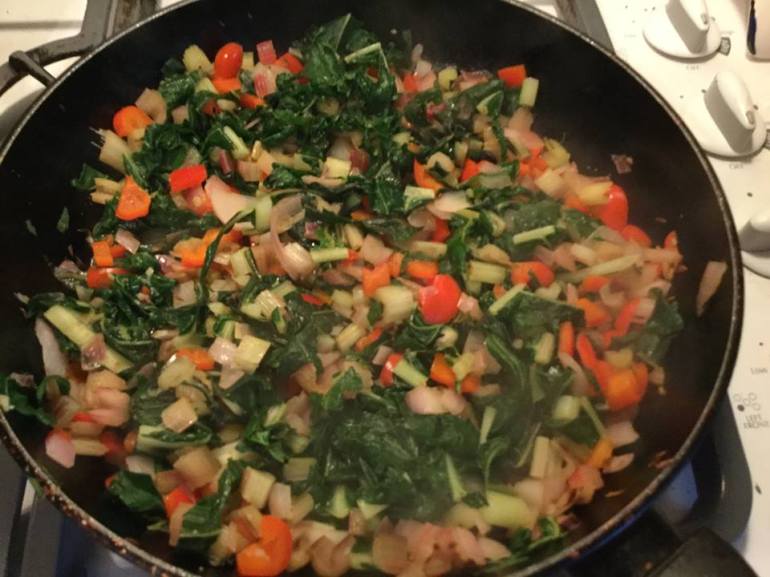
Tomorrow is Tuesday; taco Tuesday to be exact! Meatless meals don’t thrill me like those made with serious proteins, favorites like salmon, poultry, lamb or pork.  That said, I have a few delightful vegetarian items I make on occasion.  Time to add another to my roster; these Swiss chard tacos. My sister made these while I was up visiting her.  I was skeptical but found them to be really delicious and a great way to use up a lot of the Swiss chard growing profusely in my gardens!  No meat but you won’t miss it in these flavorful and filling tacos.

I sometimes use Mexican cheese but you can also use Monterey Jack as that is what the original recipe called for and what I currently prefer.  The recipe is out of an old Home and Garden magazine. I made a few changes….added some ground cumin for extra spice. Don’t forget the red wine vinegar, really a great finishing touch.

The white corn tortillas in these pictures (La Bandarita brand) came from Wegmans; they have one up near Boston.  There are three Wegman’s here near me. I got some light corn tortillas today at my local Giant; they work well. Enjoy!

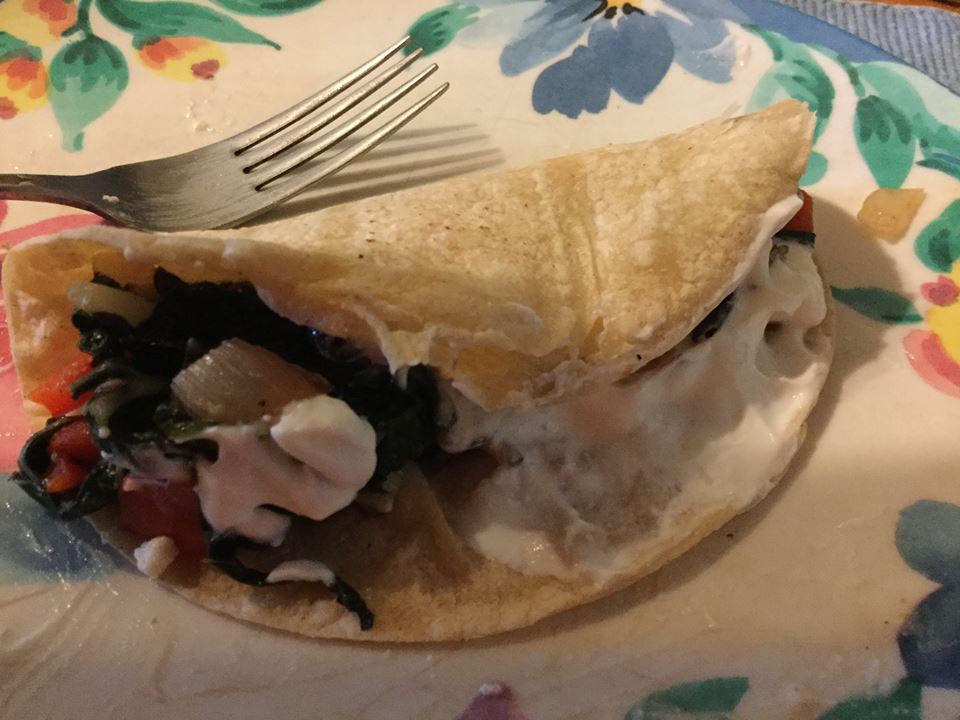
chard taco

Sorry for the messy picture. I guess I should make a prettier taco!

Karen’s Swiss Chard Tacos

1 lb Swiss chard

½ tsp. cumin seeds

¼ tsp. ground cumin

½ a red onion, chopped

1 red pepper, chopped

1 tbsp. olive oil

1 clove garlic minced

1 Tbsp. red wine vinegar

1 can of black beans, rinsed and well drained

8 tortillas; corn flour

1 cup of Monterey jack cheese or Queso Fresca cheese; grated

1/3 cup sour cream, reduced fat is my preference

cilantro for garnish if desired

Directions:

Chop up the chard stems into half inch dice.  Rough chop the rest of the chard and set aside. Heat a large frying pan and add the cumin seeds; cook 1-2 minutes until fragrant.  Add olive oil then chard stems.  Cook 3 minutes until softening.  Add the chard leaves that you have rough chopped, ground cumin, onion, garlic and red pepper.  Cook 3 min, stirring.  Add the red wine vinegar and the black beans.  Stir well, cook 3-4 minutes longer. The greens should be wilted but they don’t need to be fully cooked down.

Meanwhile while the filling cooks; heat oven to 350 degrees.  Lay tortillas out on baking sheets.  Sprinkle grated cheese in the center of each.  Bake 4-5 minutes until cheese starts melting and tortilla is somewhat crisp. Remove from oven.  Place a generous amount of chard mixture on each tortilla.  Top with a spoonful of sour cream.  Sprinkle cilantro over top if desired.  I am not a fan but you might be…

Blueberry Sourdough Scones

Scones, tender, flakey, full of yumminess… something I used to make years ago. Kinda gave up on them, had made some but sort of heavy. So, I assumed all scones were generally pretty sad when made gluten free. Well, last summer I attempted them and made a batch with leftover sourdough starter which is generally called discard. I had created the starter last week using brown rice flour and had made a tasty loaf of seeded white sourdough bread in my 8.5 x 4.5 tall, sided loaf pan. So, I was looking for a way to use up the excess sourdough starter. I couldn’t find a recipe for blueberry sourdough gf scones, so I took a gluten-based recipe and reconfigured it to make with a one for one blend: specifically, Bob’s Redmill 1-1 Blend. I used a half cup of thick starter. I left out the recipe’s lemon ingredients as I just wanted blueberry and scone as the flavors. I also returned the dairy back to real dairy like actual butter and milk.

 I ate the first one when it was just to room temperature. It was like heaven in a scone shape. Crisp outside, tender inside. Bursts of blueberries rendered me speechless. It was somewhat of a religious experience for a baker like me. I have never eaten such a tender delicate gluten free baked item. The crumb was moist and as perfect as I could ask for. You have to try this! I don’t know what you can sub for the sourdough starter. Maybe Greek yogurt? Maybe you should just make starter so you can bake these scones. 

I used a gram scale to measure the dry ingredients and it gives very exacting measurements, so I highly recommend using one.

Frozen blueberries work so well; because they keep the dough chilly as you mix it with a wooden spoon and then kneading it with (clean) bare hands.  Trust me, it is easy to make and utterly decadent despite no icing or chocolate or nuts. I made it with some nuts and chocolate the next weekend. Fabulous! The recipe is somewhere on this site… You could try some other types of frozen berries. Let me know how it turns out!

Since then, I have made them a few times and I kind of like making a big square of the dough and cutting it into 12 small squares; smaller is more what I like in a serving. I do freeze them; generally best eaten in less than a month. Just bake them a couple of minutes less.

As I am about to mix it together.
Ready to bake scones.
Just baked scones still on sheet from oven

Angie’s Blueberry Sourdough Scones (GF of course)

Ingredients:

200 grams 1-1 Gluten free flour blend; I used Bob’s Redmill

50 grams almond flour

100 grams granulated sugar

2 ½ tsp. baking powder

¼ tsp. salt

7.5 Tbsp of cold butter

1 heaping cup of fresh or frozen blueberries

½ cup sourdough starter (Use the discard if you are creating discard)

1 large egg

1/3 c cold whole milk

Directions:

Mix all dry ingredients in a large mixing bowl. Cut in cold butter with a butter cutter or 2 knives. Until it is tiny pebbles of dough and butter.

Add the egg, starter and ¼ c of the milk. Mix to break up egg and start the blending process. Add in the frozen berries (or fresh) and continue stirring. As it gets to be a thick dough dump it out on your breadboard with all the dry bits and hand knead it to coalesce it into a thick dough. Form it into a large disc; about 8-9 inches across. Cut into 8 wedges; cut in half, then quarters then again into eighths. Spread them out on a cookie sheet that you have sprayed with cooking spray. Put the sheet in a cold place to chill while you heat the oven. Heat to 355 degrees.

Put the sheet in to bake. If you have a convection cycle they will be done in about 25 minutes; the outside needs to be light brown, bottom browned and they look done. I tried 18-20 min but that wasn’t enough. I think my total was 26 minutes. If you don’t have convection they will likely take a few more minutes.  Let cool on pan for 5 minutes and move to a rack. I got distracted and just left the pan of scones on the rack! They cooled rapidly and I couldn’t resist eating one. Plain. Now I am not hungry for lunch. I just want more scones.

Enjoy! I think they will freeze nicely; vacuum sealing would be a good way to go about it.

Rhubarb Cobbler – Easy Spring treat

My spring mission: to convince you rhubarb haters to try one of these recipes.  This one is delicate in flavor with a fluffy yet satisfying cobbler topping and no sour ickiness as some say rhubarb can be.  It takes a bit less fruit than a pie and goes together in just a few minutes.  And it is gluten free for all of you who must avoid gluten which means wheat, rye or barley flours are a no-no in baking.

This recipe is the same basic one I posted about for peach cobbler in the past; it is modified from a muffin dry mix in Bette Hagman’s book, More from the Gluten-Free Gourmet and uses a flour mix that will give you 4 cups of the dry ingredients.  One cup will make an 8×8 pan of cobbler topping.  I keep the rest of my dry mix in the freezer and a pan of cobbler can be thrown together in less than 10 minutes plus baking time.  What a time saver this mix is! I make all sorts of cobblers with it.  i made an apple blackberry one last Saturday using some frozen blackberries; very tasty it was!

I always get the fruit part cooking before putting the topping together so the fruit is hot and ready for the topping and can go right into the oven.

rhubarb cobbler

Angie’s Rhubarb Cobbler

Dry Cobbler Mix – use one cup for this recipe and freeze the rest

2 ¼ cups white rice flour

½ cup potato starch (not potato flour!)

½ cup tapioca flour

1 tsp. baking soda

4 tsp. baking powder

1 tsp salt

1 tsp. xanthan gum

1/3 cup sugar

Fruit Filling

4 cups sliced rhubarb

½ tsp. almond extract

½-2/3 cup sugar –add more or less depending on how sweet you want it

2 tbsp. GF flour

1/4 tsp cinnamon

Directions:

Mix the fruit and almond extract in a sauce pan. Stir together the sugar, cinnamon and flour and mix into the fruit.  Cook on the stove top at a low heat for 5-10 minutes until it is thickened and hot. I suggest you stir it every minute or so to prevent burning.  Pour into a buttered 8 inch square pan, top with big blobs of the cobbler topping.

Cobbler Topping

1 cup dry baking mix

2 eggs

2 tbsp melted butter or canola oil (both work fine)

1/3 cup milk/buttermilk (I skimp a tbsp or two off to keep it from being runny)

½ tsp. vanilla or 1/4 tsp almond extract

Mix the wet ingredients and then add to the dry mix in a big bowl.   Mix briefly: do not over-mix for best texture.  Use a big spoon to plop it right away on the hot fruit.  Bake immediately as baking soda and powder can’t stand around waiting or they lose their umph!

Bake at 350 degrees for 25 minutes.  The top should be light brown and spring back when you poke it with your finger.  If it looks damp or squishy bake it 5 more minutes.

Let cool 5-7 minutes before serving as it will burn your mouth right out of the oven!  Some people love it with a scoop of vanilla ice cream.  This tender rhubarb cobbler is perfect just on its own.

Reposted with minor changes from June 2015.